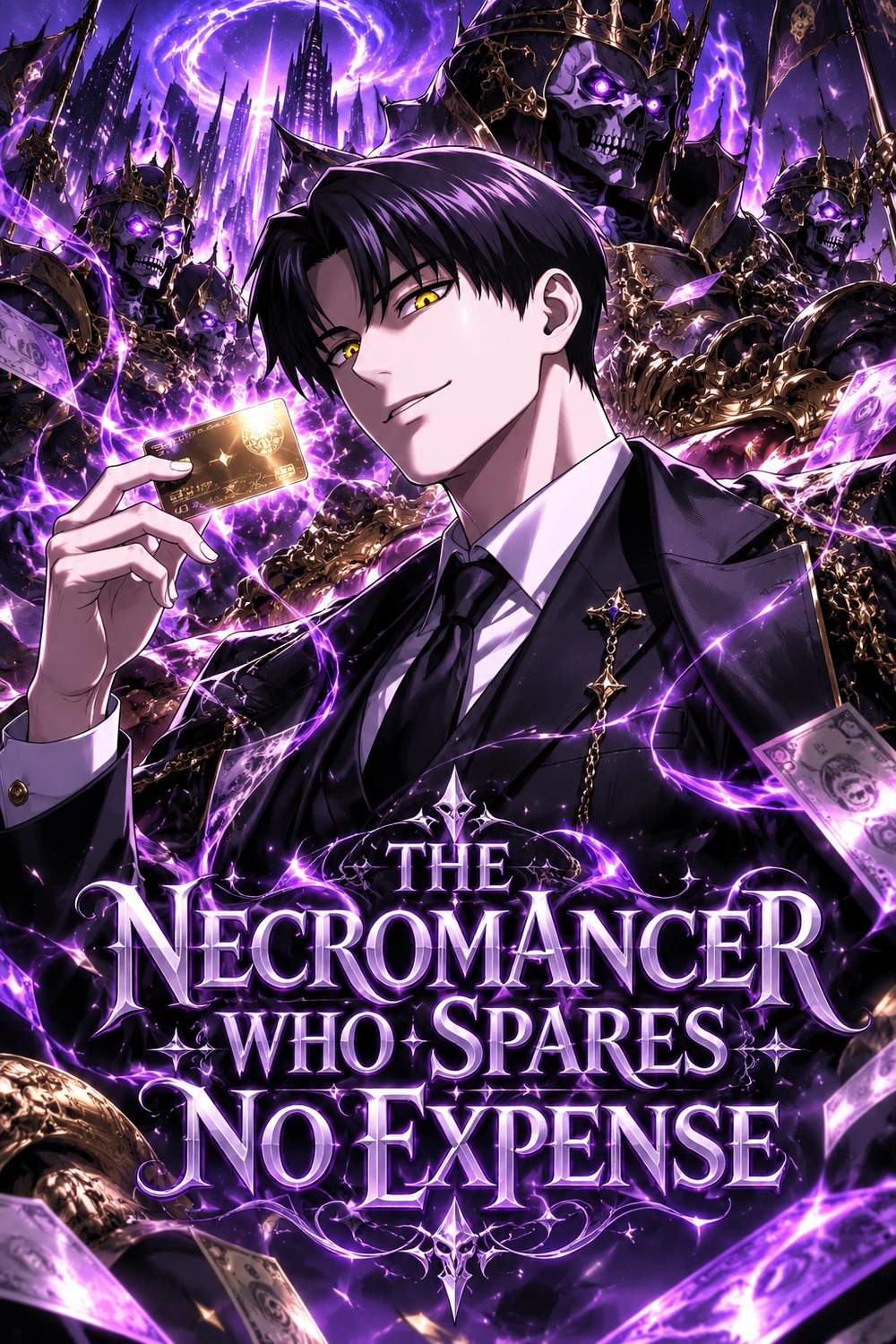
The Necromancer Who Spares No Expense
Kim Woojin has conquered Gate Hunter, a virtual-reality game built around modern hunters, and holds its uncontested number-one ranking. When he unlocks the sixth and final stage, the game warns that this one is reality: he will have only a single life. Woojin then wakes inside the game world as the son of a wealthy chaebol family. The mon
Synopsis
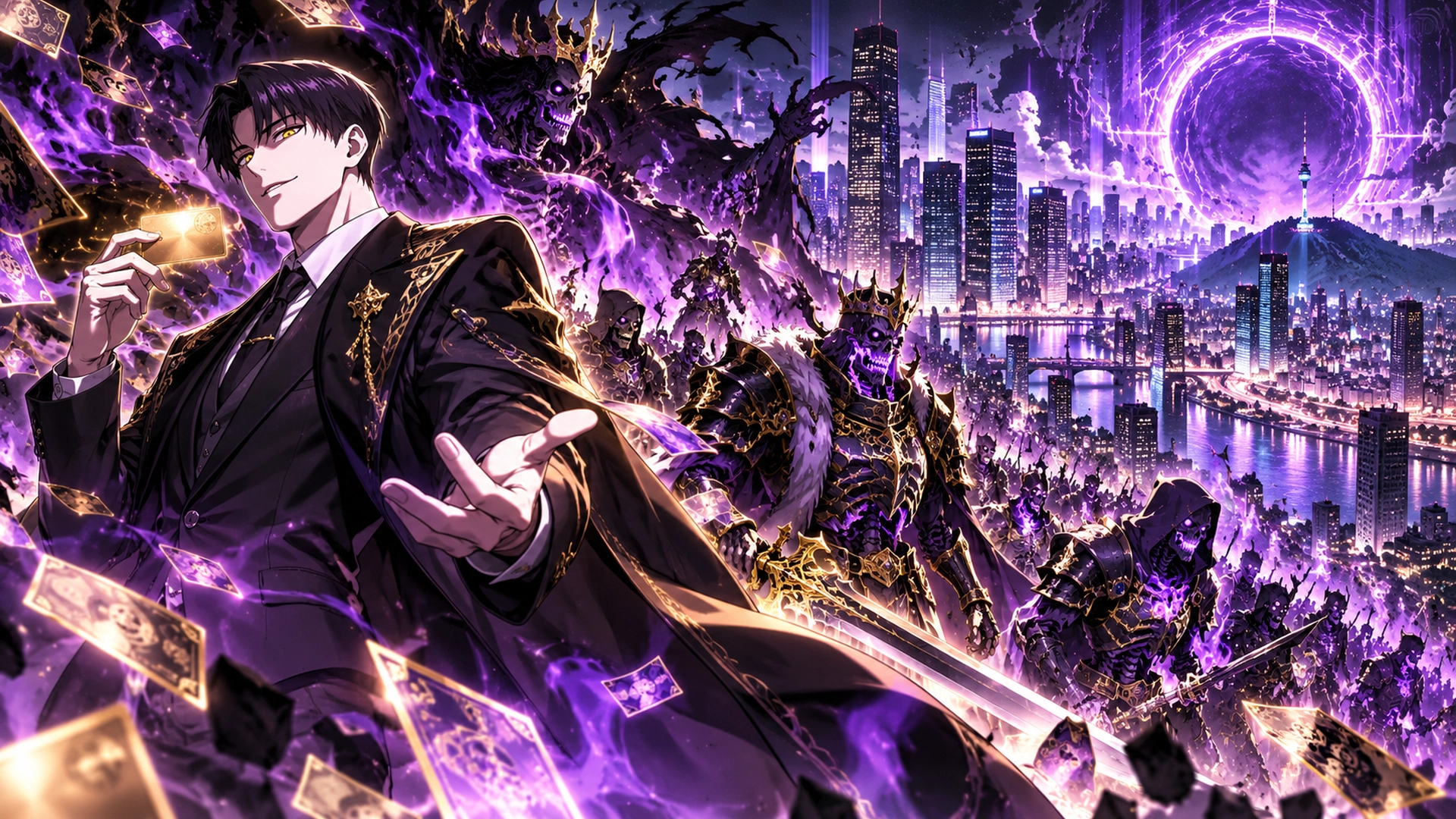
Kim Woojin has conquered Gate Hunter, a virtual-reality game built around modern hunters, and holds its uncontested number-one ranking. When he unlocks the sixth and final stage, the game warns that this one is reality: he will have only a single life. Woojin then wakes inside the game world as the son of a wealthy chaebol family. The money is extraordinary; the new body, however, has almost no talent for fighting. Rather than waste time trying to turn himself into a frontline hunter, he chooses the one class that sidesteps his weakness. Necromancer summons are not limited by their master’s natural ability, and they can wear equipment. With a fortune ready to spend, Woojin plans to build and outfit an undead force powerful enough to survive the last stage.
Most necromancer stories start with the challenge of collecting enough power. This one begins with a different question: what happens when a player who knows every useful rule has nearly unlimited money, but a body that cannot keep up? Kim Woojin’s answer is to outsource the fighting. His skeletons and other summons can benefit from gear even when he cannot, turning wealth into a tactical resource rather than a status symbol. That simple trade-off gives the series its identity: game knowledge, equipment decisions and an absurd budget driving a darkly playful power fantasy.
21 Chapters
Reactions & rating
What it feels like
The hook is the resource mismatch. Woojin has the game knowledge and money to dominate, but not the body to fight directly, so every upgrade to his undead army matters.
Rising fast
Current activity from this site's real reader behavior.
Irregular
Calculated from actual published chapter timestamps. It measures schedule regularity, not story quality.
If you liked this, go here next
These links are proposed by readers, then ranked by independent community votes — separate from the site's recommendation algorithm.